Introduction
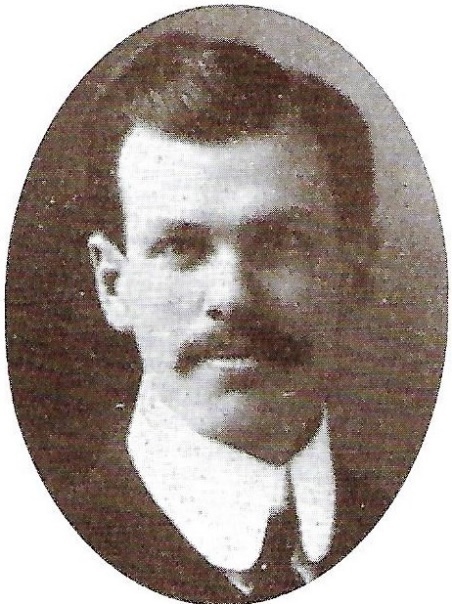
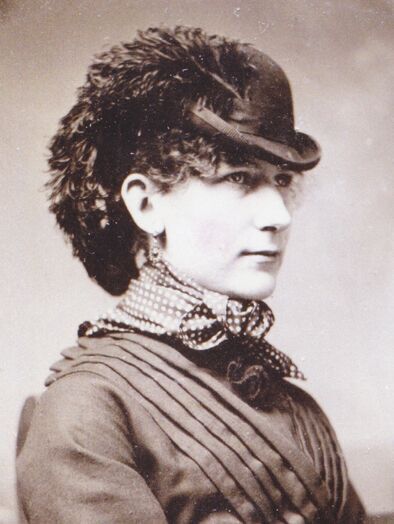
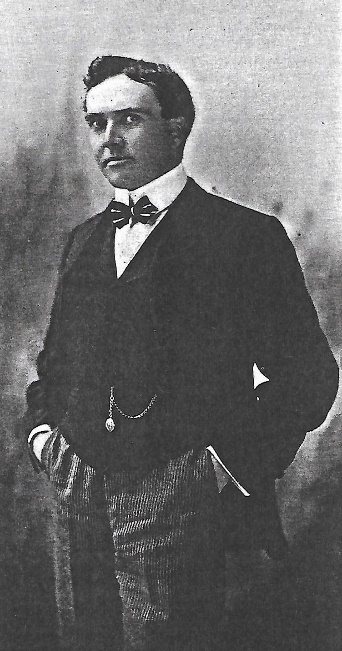
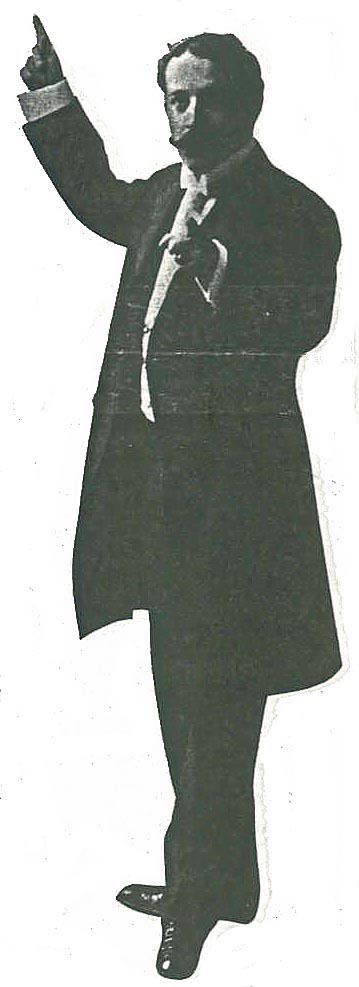
The early history of chiropractic is often told as a story dominated by the Palmers of Davenport, Iowa, yet such a telling obscures the contributions of other important figures whose influence on the profession was both substantial and, at times, inconvenient to the prevailing narrative. Among these are Solon Massey Langworthy, Oakley Smith, and Minora Paxson—three early practitioners whose combined efforts in practice, education, and publication helped shape chiropractic during its most formative and contentious years.
Solon Massey Langworthy was, by any reasonable assessment, a disruptive force in early chiropractic. A graduate of the Palmer School, he quickly demonstrated that his ambitions extended well beyond those of a typical practitioner. In Cedar Rapids, Iowa, he built a thriving practice with remarkable speed, leveraging both business acumen and a keen sense of public persuasion that was made possible through his clever advertising practices.1 More importantly, Langworthy moved decisively into the realm of education, establishing an independent school and co-authoring Modernized Chiropractic, arguably the first textbook that sought to organize and expand the hypothetical underpinnings of the new profession. In doing so, he challenged the Palmers’ desire to maintain intellectual and proprietary control over chiropractic—a challenge that would not go unanswered.1,2
Aligned with Langworthy in both purpose and drive was Oakley Smith, whose role in early chiropractic development has too often been relegated to a supporting footnote. Smith was not merely an associate but an active collaborator in the effort to systematize chiropractic knowledge and instruction. His willingness to question, refine, and extend the ideas inherited from Davenport marked him as part of a small but significant group seeking to move chiropractic beyond its origins as a tightly controlled doctrine.2 In partnership with Langworthy, Smith contributed to one of the earliest attempts to present chiropractic as a coherent and teachable body of knowledge rather than a proprietary technique. He was the principal author of the profession’s first textbooks, a two volume work known as Modernized Chiropractic and he was a partner and valuable member of Langworthy’s incorporated chiropractic school known as The American School of Chiropractic and Nature Cure located in Cedar Rapids, Iowa.2
Completing this trio was Minora Paxson, whose contributions, though less frequently highlighted, were also important. As both educator and co-author of Modernized Chiropractic, Paxson played a central role in the instructional mission of the Cedar Rapids enterprise.3 Her presence in this early circle of chiropractic educators is particularly noteworthy given the broader social constraints on women in professional and academic life at the time. Paxson’s work helped legitimize the educational ambitions of the group while quietly challenging the gendered expectations of the era.1,2
Together, these 3 figures represent an alternative lineage within early chiropractic—one characterized by intellectual curiosity, entrepreneurial drive, and a willingness to depart from the Palmer orthodoxy. Their efforts to broaden the scope of chiropractic practice and education placed them on a collision course with the Palmers, setting the stage for a prolonged period of professional conflict. It is within this context—a struggle not merely for market share, but for the very definition and ownership of chiropractic—that their story assumes its greatest significance.
DISCUSSION
War of Attrition
The Oxford dictionary defines “attrition” as, “the action or process of gradually reducing the strength or effectiveness of someone or something through sustained attack or pressure.”
Solon Massey Langworthy had embarked upon a war of attrition aimed at the chiropractic “headquarters” in Davenport. Building a large and successful practice gave him the means by which to establish a rival school in Cedar Rapids. He established a systematic curriculum and expanded that curriculum to two years.1,4 By building a following he had become a player in the political arena and had nearly succeeded in obtaining passage of a chiropractic licensing law in Minnesota.1 Langworthy had also begun to publish the first regular journal in the profession, Backbone, that would become his vehicle to promote his interests and apply additional pressure against the Palmer empire.1,4 He had also begun to manufacture chiropractic equipment, and that would be yet another source of revenue to fund his war with the chiropractic powers in his sights.
Langworthy’s next moves would include poaching Palmer’s most loyal followers and an attack on The Founder’s reputation.
Followers Abandon The Founder
After establishing his practice and school in Cedar Rapids in the earliest part of the Twentieth Century, Solon Massey Langworthy knew that he would eventually need assistance with his ventures. He had befriended Oakley G. Smith, D.D. Palmer’s protégé,2 while studying in Davenport. Langworthy kept Smith abreast of his progress in Cedar Rapids. In August of 1902, Langworthy writes to Smith2:
" . . Have closed with one student and have good reason to expect more. Wish I had your help on the school business. Big money can be made out of it if it is worked right.
In haste,
Langworthy"
By August of 1902 Langworthy again expressed his desire to have Smith in Cedar Rapids2:
"I am now working the school business to quite an extent. Now have three students and hope to graduate 20 or 30 during 1903. Wish I had you with me on the school deal as I will certainly need help if business keeps up . . .
I am, Very truly yours,
S.M. Langworthy"
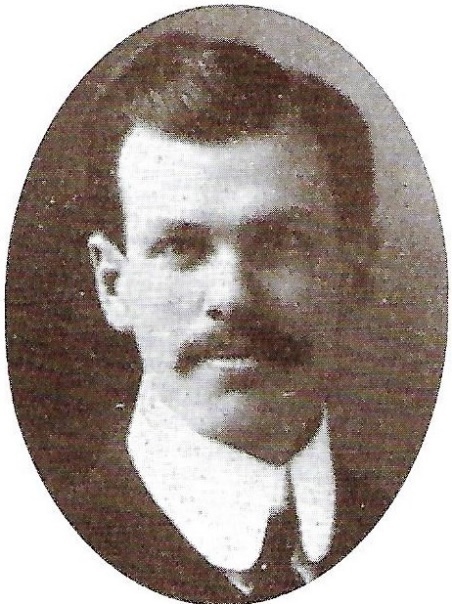
Smith had other interests to pursue after his graduation from the Palmer School. Concluding that his understanding of the intricacies of the human body were deficient, he enrolled at the University of Iowa Medical school in the fall of 1899. There he took additional classes in anatomy and physiology that he believed he needed to be a successful practitioner. An inquisitive sort, that additional training would lead him to go on to perform laboratory studies of the spinal joint spaces, intervertebral discs, spinal connective tissues and the intervertebral foramina.2
In January of 1902, Smith opened his practice in Clarinda, Iowa where he was liked by the local citizenry.2 Within a short time he would have a bustling practice. However, he would soon receive an invitation from his mentor, D.D. Palmer, to join him in Santa Barbara, California for the formation of yet another chiropractic school.2
While in Santa Barbara, Palmer and Smith would meet Minora Paxson. Minora Paxson was an Illinois native. She was an educated woman who taught grammar in the public school system in Illinois including the cities of Sycamore, Bloomington and Evanston where she rose to the position of principal. She became a student of chiropractic under D.D. Palmer in Santa Barbara, California. Along with Oakley Smith, she followed D.D. to Chicago, Illinois to participate in a joint venture of chiropractic practice and the potential establishment of yet another chiropractic school.3
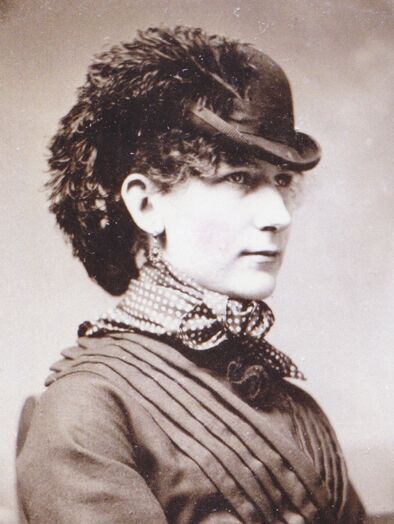
During this time both Smith and Paxson took additional training in anatomy and related subjects at Harvey Medical College in Chicago. Together they took the examination to obtain a license in Illinois for drugless healers and were awarded those licenses in April of 1904.2,3 The obtained licenses would allow them to practice chiropractic in the state of Illinois unmolested by political medicine.
Their partner in the Chicago venture, D.D. Palmer, refused to take the Illinois exam for drugless healers that would have immunized him against politiolegal medicine.1,2 If D.D. had obtained the Illinois drugless healers license, he would be spared the constant changes in residences marked by this period in his life. Those frequent changes in location kept the bombastic Founder of chiropractic one step ahead of his creditors and legal entanglements. Failing to obtain the Illinois license once again placed him under the microscope of the law. Proving himself a business partner unwilling to take the necessary steps to immunize the Chicago enterprise against legal entanglements, Smith and Paxson likely became frustrated with Old Dad Chiro and considered their next move.
Langworthy had twice made overtures to Smith to convince him to join him in Cedar Rapids in the “school business”.2 Now the timing was right and both Smith and Paxson abandoned the erratic and irascible D.D. Palmer for the stability and sound business practices demonstrated by Langworthy’s success in Cedar Rapids. They would join the faculty at Langworthy’s American School of Chiropractic and Nature Cure as professor of anatomy, physiology and pathology (Smith) and professor of gynecology, obstetrics, symptomatology and tracing (Paxson).1
Weaponizing the Defectors
In November of 1903 Langworthy published a paper in his journal, Backbone, authored by one of his American School faculty, Dr. Carroll Whitney Burtch.5 In his article Burtch claimed that chiropractic methods were not the brain child of D.D. Palmer, but rather D.D. Palmer’s chiropractic was the reincarnation of manipulative therapy practiced for at least 3 generations earlier in Bohemia (today’s Czech Republic).
Burtch went on to recount how the practice of Bohemian bone setting made its way to America, and that the thrusting methods employed were exactly as those used in the delivery of a chiropractic adjustment, as taught by D.D. Palmer.
In essence, Burtch was making the case that D.D. Palmer was an imposter claiming to be the originator of “direct spinal adjustment” when in fact the procedure was one actually practiced for generations in Europe!
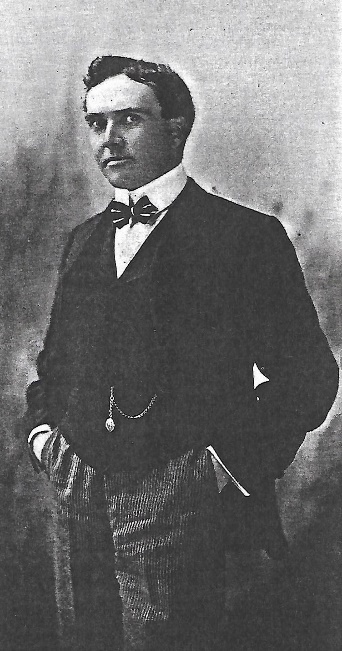
Upon their arrival in Cedar Rapids, Langworthy fed Smith and Paxson a steady diet of information that “proved” that D.D. Palmer’s chiropractic was actually the Bohemian healing art known as “Napravit”, meaning “to fix or repair.”6
Not being satisfied by mere words, Smith would undertake his own investigation to discover if this Bohemian Napravit was, indeed, the origins of D.D. Palmer’s chiropractic thrust. He would personally interview many Bohemian immigrants in Cedar Rapids, Iowa City and Davenport. Regarding his investigations, Smith7 states:
"This set me thinking. I resolved to continue my investigations. I called upon a number of Bohemian families in Iowa City. Some I could talk to in English, others I had to talk with through an interpreter. Some had only been in America two years, others had been here over thirty-five.
I found any number who had knowledge of this spinal adjustment, and the older ones were in nearly every case more or less adept in giving the spinal adjustment. I saw many of them adjust members of their own family but to further satisfy myself I had several adjust me. It was not a question of argument or debate. There was only One Conclusion to Reach. Namely, that for years not only in Bohemia, but right here in Iowa, Bohemians had used spinal adjustment–direct vertebral adjustments. . .
. . . The Facts are Before Us; The Conclusion is Inevitable.
We have Dr. Palmer practicing magnetic healing in Davenport for a number of years previous to the time he claims to have originated this new method of spinal adjustment.
We have spinal adjustment known and used in Davenport previous to the time that Dr. Palmer claimed to have originated the very same art or method.
This alone settles the question. Dr. Palmer did not originate direct spinal or vertebral adjustment now called Chiropractic. . .
. . . The truth is that direct spinal adjustment whether it be known by a Bohemian name or by a Greek name (Chiropractic) has been used among the Bohemians, not only in Cedar Rapids, Iowa City and elsewhere, but also in Davenport, the very place where this originator (?) claims to have originated that which he did not originate.
Where then does this place Dr. Palmer?
If he be honest, it places him as a greatly mistaken man.
If he be not honest it places him as an imposter.
If in the light of these absolute facts he still puts up a claim of originality he brands himself A SHAMELESS imposter.
Truth makes history and history writes itself." [Author’s emphasis]
The final nail had been hammered into the coffin sealing the end of Smith’s good relations with his mentor. His conclusion was that D.D. Palmer was a thief claiming for himself the originator of the corrective spinal thrust that had been practiced previously for decades and perhaps centuries.
Minora Paxson piled on. In an article in Langworthy’s Backbone titled, “The Problem Has Solved Itself”8 she states:
"When I first met Dr. Palmer it was a problem to me how a man with his limited knowledge of the human body in health and disease, had been able to evolve the fundamental principles of a system of such inestimable value in combating disease. There was seemingly only one solution to the problem and that was that the man must be a genius.
However, the more he attempted to explain the principles of this system and the methods he used in curing disease, the more puzzled I became. He did not possess the ability of a genius capable of evolving such a system as he was claiming to have originated.
Thus facts did not verify thee above solution to the problem and no one feels satisfied with an answer if it seems to contradict facts,–if there is any doubt as to its being correct.
When I heard that the Bohemians used spinal adjustment, calling it ‘napravit’ I made personal investigation to determine if the Bohemian ‘napravit’ could be the foundation of Chiropractic. I even took the treatment myself from a Bohemian and saw it given to others.
This satisfied me. The problem was now easy of solution. The fundamental principles and movements of the system which he claimed to have originated were known and used prior to the time when he claimed to have originated were known and used prior to the time when he claimed to have made his discovery.
Arrange the facts in logical order and no further evidence is required.
- His knowledge of anatomy and kindred studies was limited.
- The Bohemians used spinal adjustment prior to 1895.
- On the intimate acquaintance he did not give evidence of being a genius.
With these facts confronting us the problem is so simple it almost ceases to be a problem. The truth is so clear that it is axiomatic, and he who runs may read.
The answer writes itself, in fact, it is the hand writing on the wall, ‘MENE, MENE, TEKEL, UPHARSIN’[1] and in this case to the old translation may be added, copyist,–not genius."
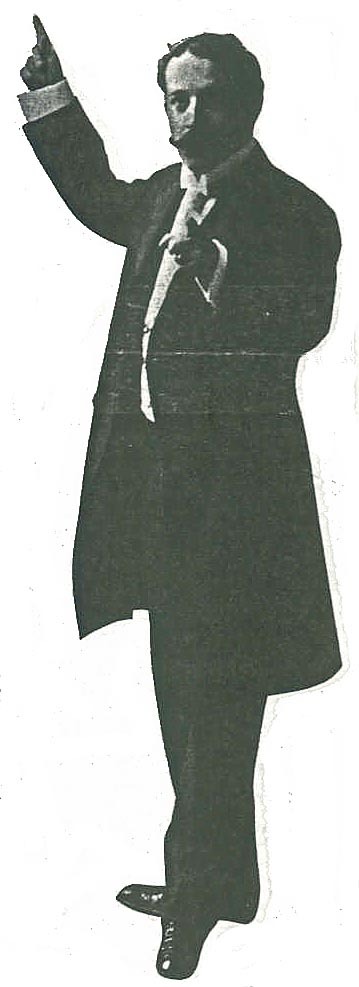
Langworthy himself had previously attacked The Founder in an article in the December 1904/January 1905 issue of Backbone.9 In this article Langworthy exposed D.D. Palmer’s inconsistent remarks regarding the amount of money he was willing to accept and the amount of time he considered necessary to learn the trade. Essentially, Langworthy stated Palmer was willing to prostitute the profession for a quick buck. Further, he criticized D.D. in regards to his constant relocating around the country implying that he was moving to remain one step ahead of unhappy bill collectors and the pursuit of law enforcement. Langworthy also recounted the history of Bohemian Napravit and questioned The Founder’s honesty and integrity over that issue. Finally, he concluded:
"I, like others, believed at one time that his man was the originator of Chiropractic and at that time wrote him a letter stating I would be glad to see him at the head of a large school of Chiropractic. Up to that time Chiropractic had been taught in a slip-shod, unsystematic way and it seemed that the discoverer should be the one to put the science on a permanent educational basis.
Time has proven, however, two things: First, that he is not the discoverer and originator. Second, he has neither the qualifications nor the ability to equip and manage such a school. His nine years’ record is proof positive of the last assertion."
CONCLUSION
Solon Massey Langworthy had set into place a war of attrition to wear out his adversary, D.D. Palmer. His tactics included poaching The Founder’s protégé, Oakley Smith, and an accomplished associate, Minora Paxson, for faculty positions at his American School of Chiropractic and Nature Cure. Langworthy then set about destroying The Founder’s reputation by attempting to prove that he had stolen the idea of the chiropractic thrust from the established healing art practiced in Bohemia for better than 3 generations known as “Napravit.”
This leads the modern reader of this treatise to ask, “Did D.D. Palmer steal the idea for the chiropractic thrust from the Bohemian Bonesetters?”
The evidence laid out by Burtch, Langworthy, Smith and Paxson in their public criticism’s of the Founder seems compelling.5–9 Interestingly, the tradition of manual therapy practiced in Bohemia, now the Czech Republic, has survived to the present and has even achieved some significant degree of acceptance by European medical practitioners.
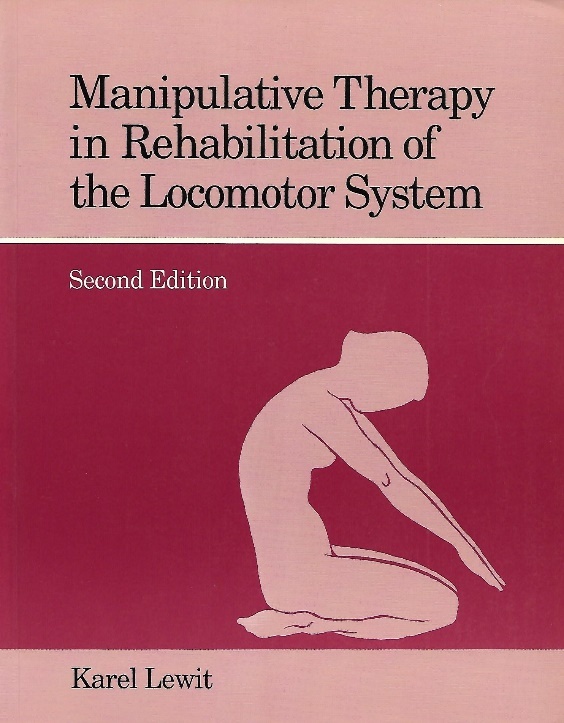
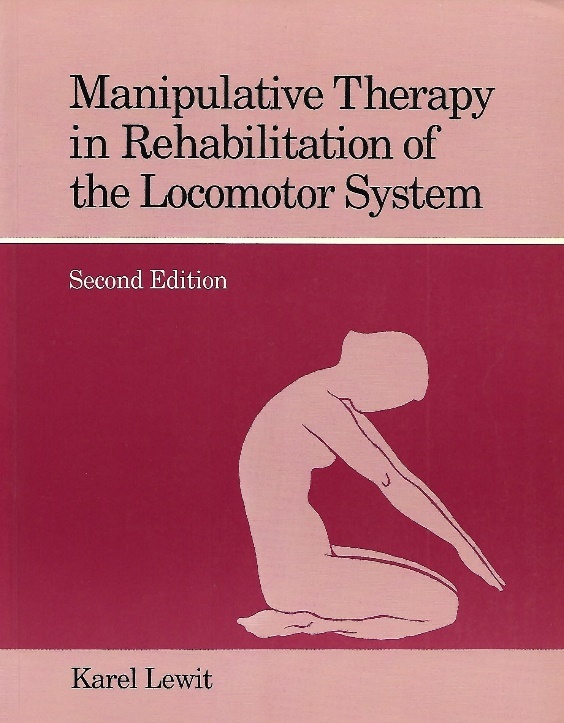
Karel Lewit, M.D., a practicing medical neurologist and advocate of manual treatment methods from the Czech Republic, has described his experimental and clinical experience using spinal manual therapy to treat conditions as varied as heart disease, digestive problems, dizziness, respiratory difficulties, migraine, gynecological disorders, tonsillitis, and other various human ailments in his book, Manipulative Therapy in Rehabilitation of the Locomotor System.10
So, did D.D. Palmer steal the idea for “direct spinal adjustment” that he called Chiropractic from Bohemian immigrants living in the Davenport, Iowa region? Or, is it possible that he independently came up with the idea just as Sir Isaac Newton and Gottfried Wilhelm Leibniz both independently invented calculus at the same time? That question is for you, the reader, to decide.
This saying is from the Old Testament with three meanings: (a) Mene - God has numbered your days and brought your kingdom to an end, (b) Tekel - you have been weighed in the balance and found morally deficient and (c) Upharsin - your kingdom will be divided and given to others.