Introduction
The chiropractic profession has a long history of professional disharmony. The roots go back to the very beginning of the profession as divisions developed, and the leaders of adversarial groups vied for control of the infant child, chiropractic. D.D. Palmer perhaps created this problem for himself when he refused to partner with one of his early graduates, Solon M. Langworthy.1 Had the Palmers and Langworthy combined forces and worked together with the goals of improving chiropractic education, methods of patient care, chiropractic equipment and political agendas one can only imagine what the current state of the profession might be.
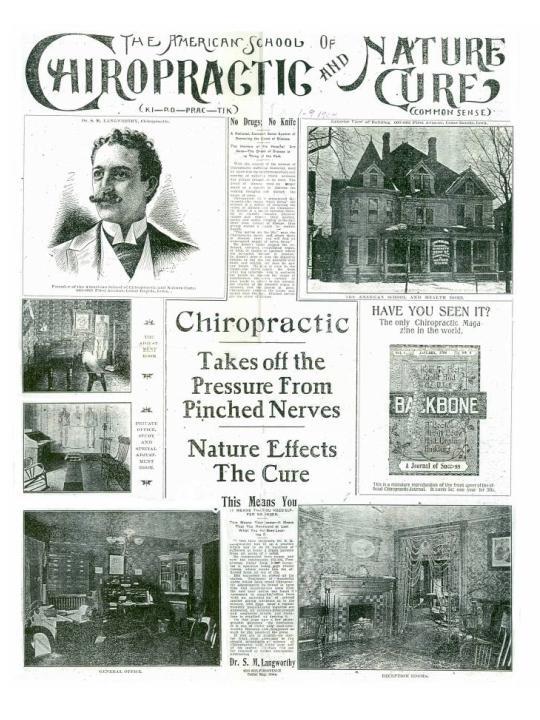
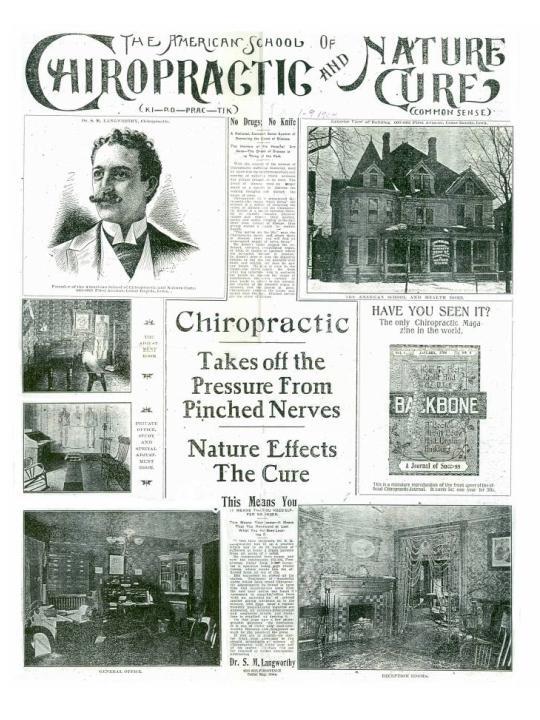
Because D.D. Palmer granted a diploma that stated the graduate of his school was certified to “practice and teach” chiropractic,2 many of the his early graduates did just that. During the profession’s first decade, several schools were teaching chiropractic; among these were the National School of Neuropathy and Psycho-Magnetic Healing in Minneapolis and, of course, Solon M. Langworthy’s American School of Chiropractic & Nature Cure (Figure 1) in Cedar Rapids, Iowa.3 As well, a number of individual practitioners established apprenticeship programs, and apprentice-trained chiropractors took on apprentices of their own.4 Gibbons5 reports that, as a result of these apprentice relationships, as many as 200 chiropractors may have populated the state of Minnesota by 1905.
DISCUSSION
Langworthy’s American School of Chiropractic & Nature Cure had established the first 2-year systematic chiropractic school curriculum. That course of instruction was longer and more progressive (broad scope) than that of the Davenport Palmers’ school.3 Additionally, the apprentice trained chiropractors of Minnesota practiced a version of the art that the Palmers did not believe represented the profession as they had envisioned it either technically or philosophically.4,5
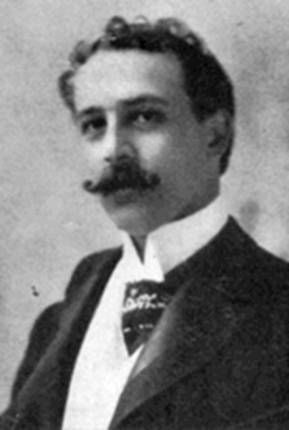
With this relatively large number of chiropractors practicing in the state of Minnesota, along with the backing of 1 of the earliest competitors of the Davenport Palmers (See Figure 2), Minnesotan chiropractors were emboldened to attempt to get a chiropractic bill passed through the state legislature.
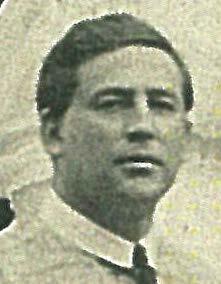
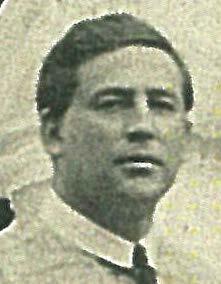
Daniel D. Riesland (Figure 3), an apprentice-trained chiropractor from Duluth, along with Solon Langworthy successfully lobbied the Minnesota legislature to pass a chiropractic bill that would have established a 5-member board of chiropractic examiners, required that applicants have attended a school with a 2-year chiropractic curriculum and would have grandfathered in the appointed members of the Minnesota Board of Chiropractic Examiners, even if they had NOT attended the 2-year school.5
In early 1905 Riesland and Langworthy were successful in gaining passage of the bill in both houses of the Minnesota legislature by significant majorities. If signed by Governor John A. Johnson, Langworthy’s progressive 2-year curriculum would be codified into state law and Palmer graduates would not be eligible to sit for the examination.
Civil War Erupts
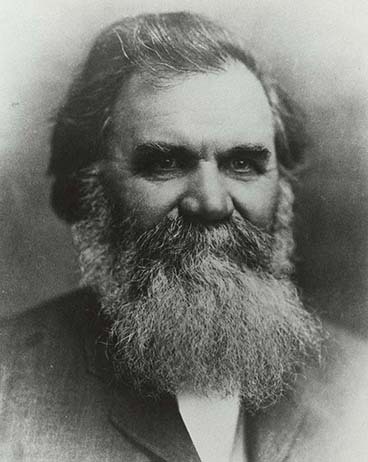
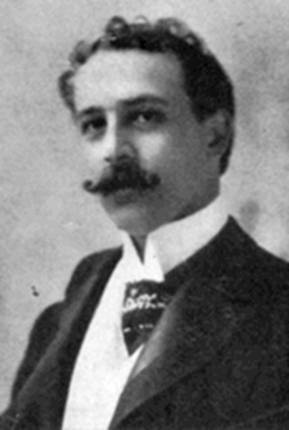
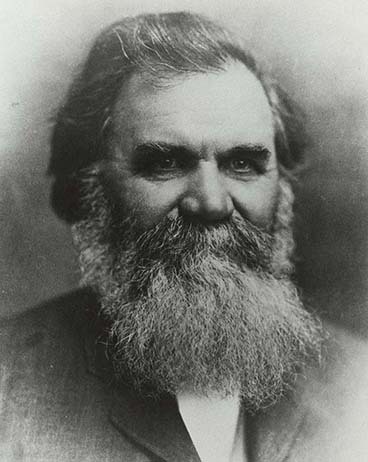
The Davenport Palmers understood the stakes of this political game. Old Dad Chiro (Figure 4) cranked up his Underwood typewriter and wrote to each of the Minnesota legislators on 7 March 1905. In his letter, D.D. railed against the “mixer” nature of the bill and the fact that the proposed members of the board of examiners would be established as chiropractic “Czars” of the state. He concluded that:
“It would be dangerous to confer upon them the undisputed, absolute, unconditional, dictatorial, despotic power that they are asking. This bill clothes the board with legalized monopoly; it is granting them a privilege, a franchise that they will not despise for enriching themselves at the expense of those of whom they have full control.”5
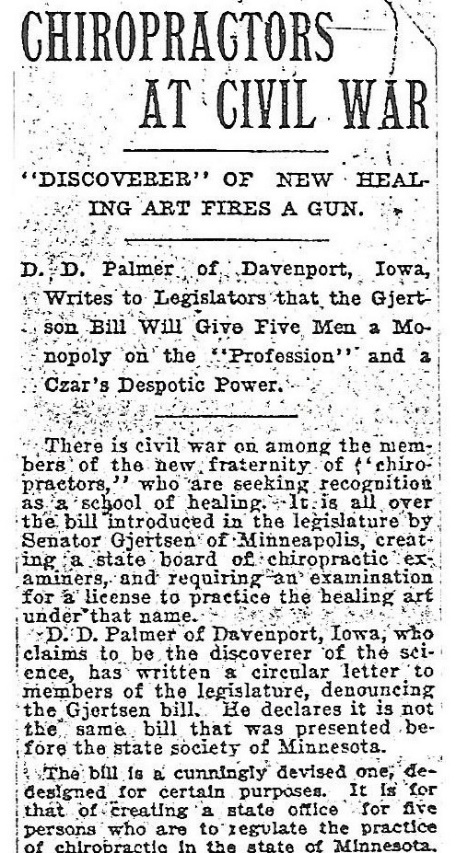
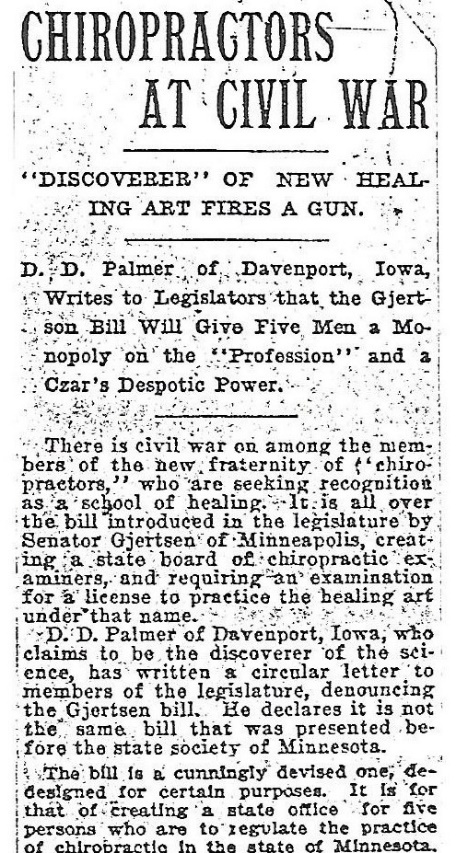
In late March of 1905, D.D. met with Governor Johnson and pled with him not to sign the bill into law on the basis of the arguments he raised with the Minnesota legislators. As the discoverer and developer of the new science, D.D. proclaimed that he, and only he, was qualified to decide what should or should not be contained in any legislation governing his profession. Figure 5 is 1 newspaper article covering the controversy.
How much influence Palmer’s pleadings had over the Governor’s decision not to sign the bill is unknown. The medical lobby that had been caught asleep at the wheel by the passage of the bill through the Minnesota house and senate sprang into action and lobbied hard against the Governor’s signature.5 Witnessing the broken ranks among the chiropractors likely resulted in great celebration amongst the medical lobby. Divide and conquer is an often used strategy to defeat one’s enemies and the Palmer and Langworthy camps played right into that trap. The desire for power, influence, legacy and money was the bait.
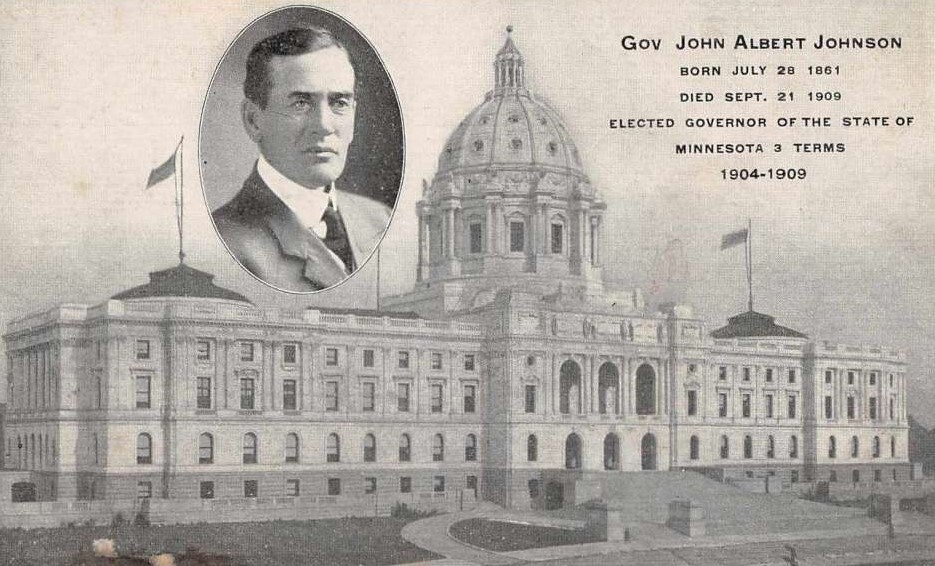
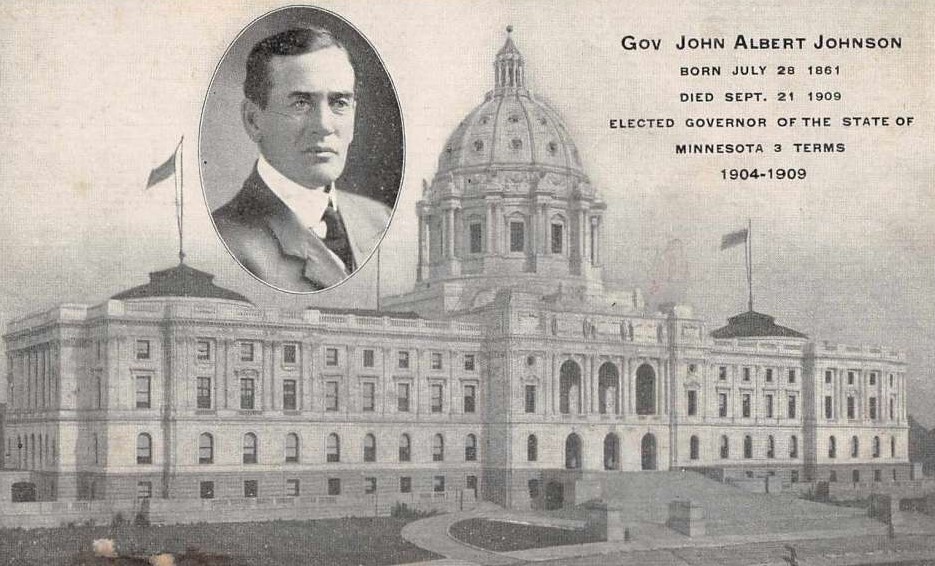
In his remarks in defense of vetoing the bill, Governor Johnson (Figure 6) stated that chiropractic was a discovery of recent origin, unproven and promoted and promulgated by uneducated men with little knowledge of the sciences of “anatomy and kindred subjects.”5 The legislation was defeated, and it would be nearly a decade before the enactment of the first law licensing chiropractic as a legal profession in the State of Kansas.
Conclusion
The tradition of disharmony within the ranks of the chiropractic profession has a long history that extends back almost to the very beginning of the profession. It would seem that chiropractic’s adversaries delight in the fact that, when faced with difficult choices regarding the advancement of the profession, the opposing political factions within the profession “circle the wagons” and shoot inward.
This political infighting is a problem steeped in our history that has persisted to the present. Some have gone so far as to suggest that the profession should be divided into 2 camps: the so-called “traditional” chiropractors and the so-called “evidence friendly” chiropractors.6 We can thank our forefathers for these unfortunate traditions and the human frailties of greed and the desire for power and legacy.
What is the proper solution to this problem? That is a topic beyond the scope of this article. One can state, however, that as the Spanish-American philosopher George Santayana said, “Those who cannot remember the past are condemned to repeat it.” The profession’s political adversaries are happy that chiropractors cannot remember their past. As a profession, we would be wise to heed Santayana’s words.