Introduction
Chiropractic care is widely used in conservative MSK healthcare, particularly for managing spinal conditions through interventions such as spinal manipulation and related manual therapies.1 Although the profession has evolved considerably since its founding,2 chiropractic remains characterised by diverse, and at times competing, professional and mechanistic perspectives on the nature of care and proposed therapeutic mechanisms.3,4
The mechanisms underlying manual therapy remain poorly understood, and various explanations have been proposed for how treatment may influence clinical outcomes.5,6 Traditional approaches have mainly focused on biomechanical explanations, suggesting that therapeutic effects result from correcting joint dysfunction. More recently, attention has shifted towards potential neurophysiological effects, including changes in pain processing and nervous system responses following treatment.5–7
As a result, manual therapy is increasingly viewed as a multifactorial intervention in which biomechanical, neurophysiological, and contextual factors may interact rather than act independently.6,8,9 Contextual influences, including patient expectations, the therapeutic alliance, and the clinical environment, are increasingly recognised as important contributors to treatment responses.5,7–9 However, the extent to which practitioners prioritise these mechanisms appears to vary, potentially influencing both clinical reasoning and professional orientation.10–13
Within chiropractic, these mechanistic debates are further shaped by long-standing theoretical divisions. Historically, chiropractic has been associated with concepts such as vertebral subluxation and innate intelligence, which propose that spinal dysfunction or misalignment interferes with nervous system function and overall health, and that chiropractic adjustments help restore normal function.14,15 Although these concepts remain controversial and are not widely supported within contemporary scientific literature, they persist in some areas of chiropractic practice,16 education, and professional communication.17
In contrast, more modern approaches increasingly emphasise evidence-based and biopsychosocial models of care, often interpreting chiropractic interventions through neurophysiological and neuroscientific frameworks rather than traditional biomechanical or vitalistic explanations.18–20 The interplay between different explanatory frameworks in chiropractic is still complex and not well-defined, leading to ongoing differences in how chiropractic care is understood, communicated, and practised.
Across manual therapy professions, research shows considerable variability in how practitioners conceptualise MSK conditions and interpret the underlying mechanisms of clinical interventions.10,12,13,21 Clinicians’ beliefs may influence treatment approaches, clinical decision-making, and communication with patients.22–25 Understanding how chiropractors explain the mechanisms underlying chiropractic care may therefore help explain variation within clinical practice.
However, chiropractic literature has focused more on the profession’s philosophical divisions and on tensions between traditional and evidence-based approaches.3,4,17 Although some studies have examined chiropractors’ MSK beliefs and pain orientations,11,26 little research has directly explored how chiropractors conceptualize the mechanisms underlying chiropractic care or how these views are prioritised in practice. Addressing this gap may provide greater insight into whether the profession is becoming more aligned with evidence-informed models of care or whether substantial ideological diversity still exists.
Therefore, this study aimed to explore chiropractors’ beliefs about the mechanisms underlying chiropractic care. Specifically, it examined where these beliefs fell along a Cartesian continuum ranging from ‘body-based’ biomechanical explanations to ‘mind-based’ neurophysiological explanations, and whether they varied by geographical region, professional role, and years in practice.
Methods
Study Design
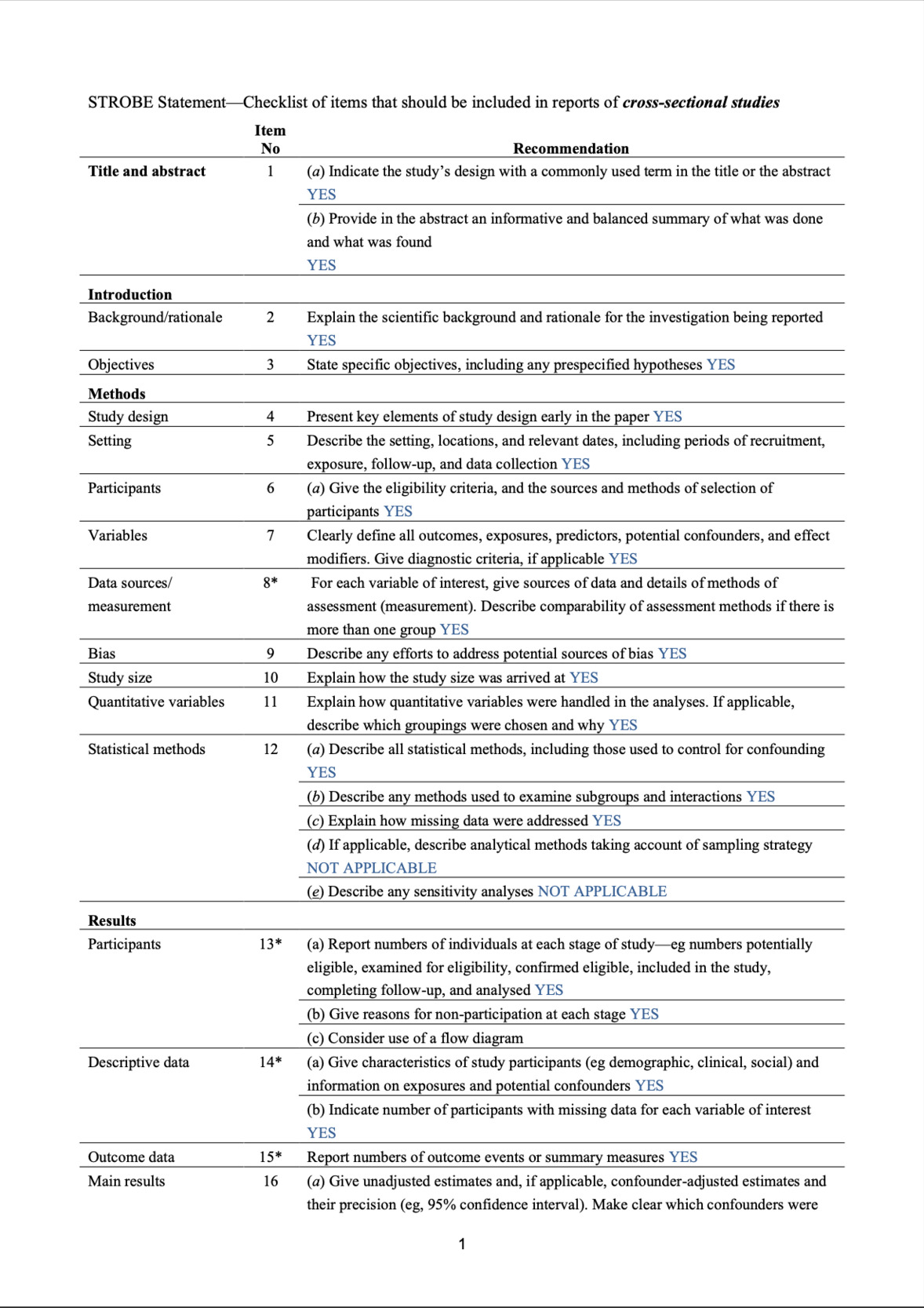
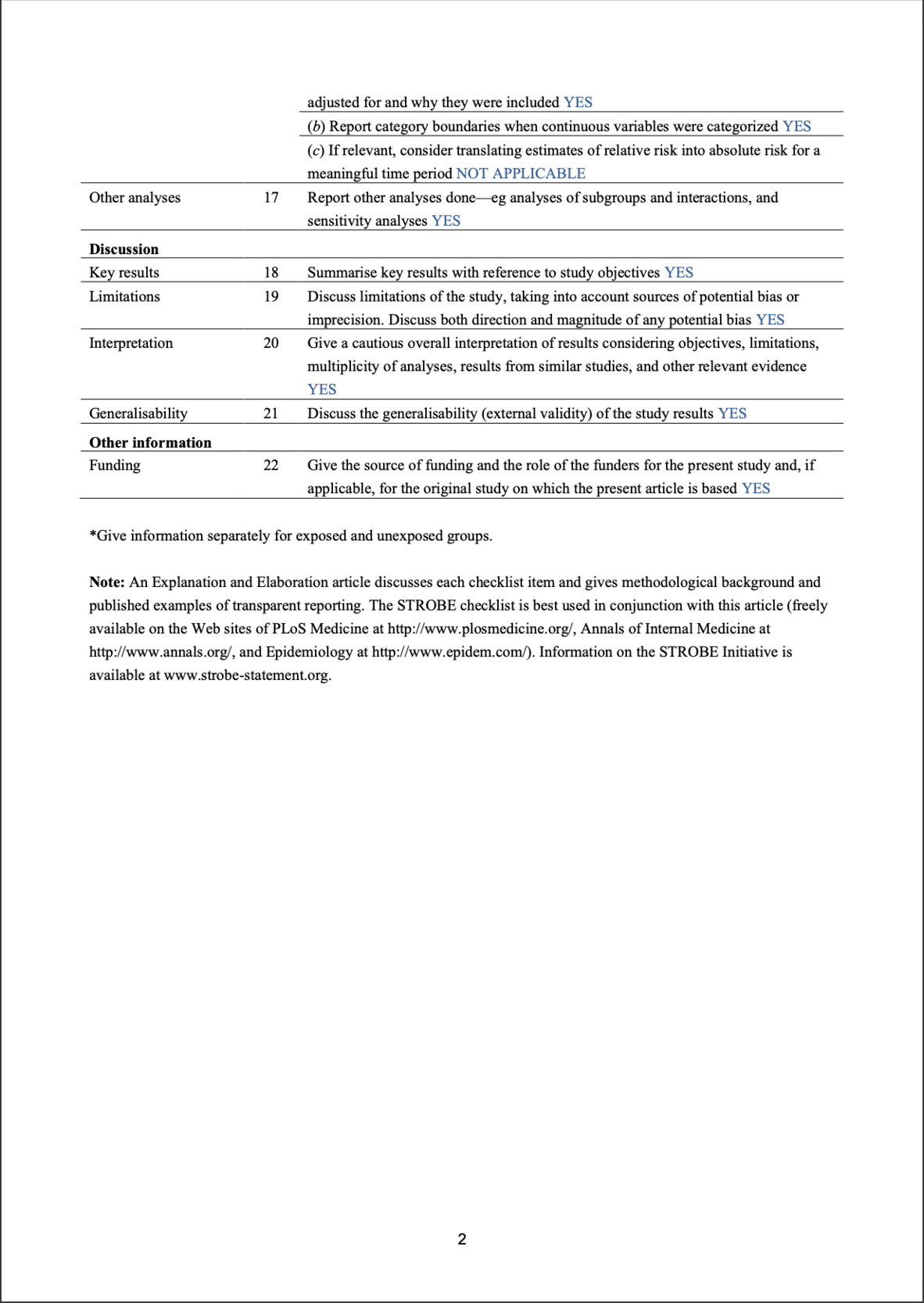
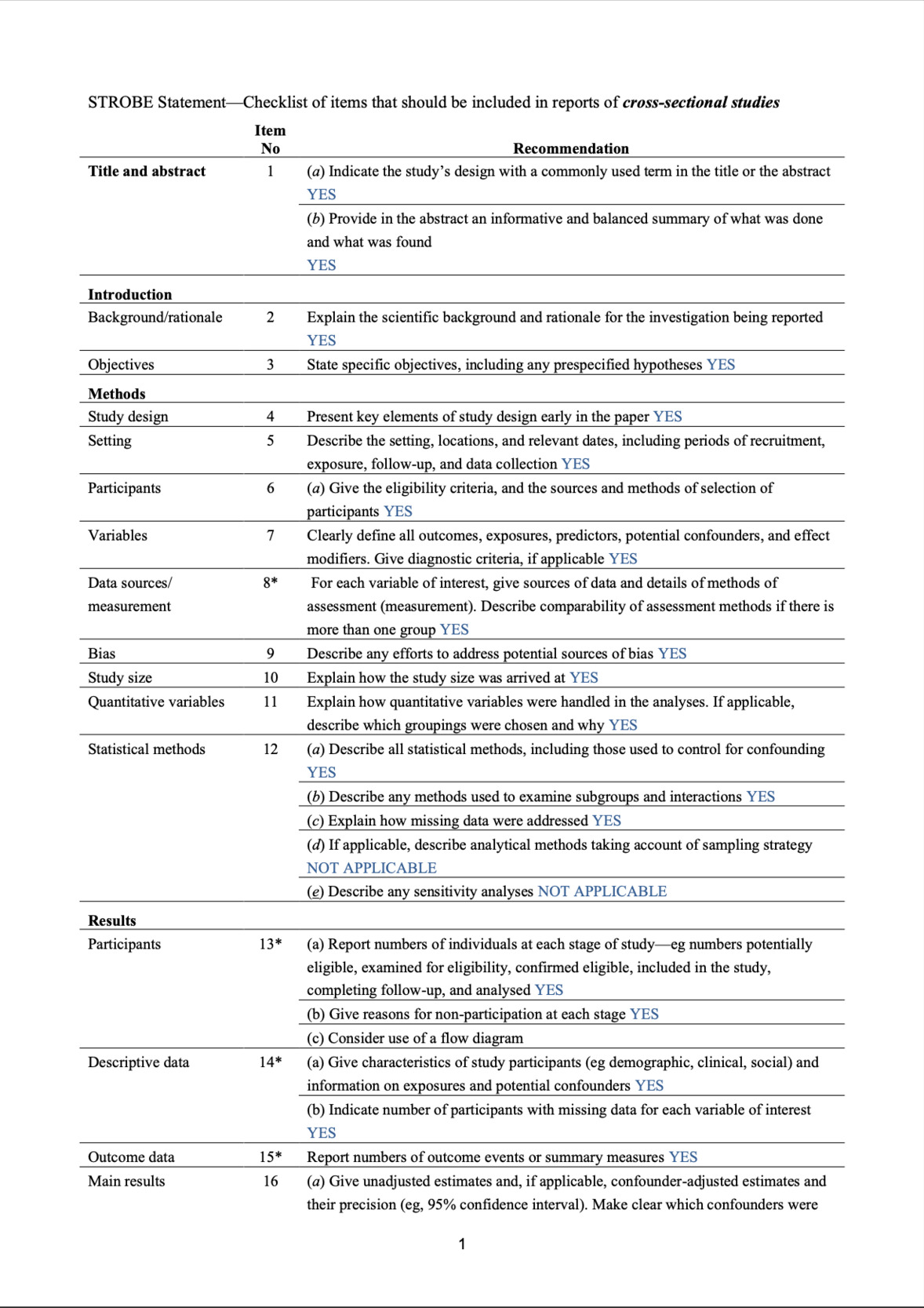
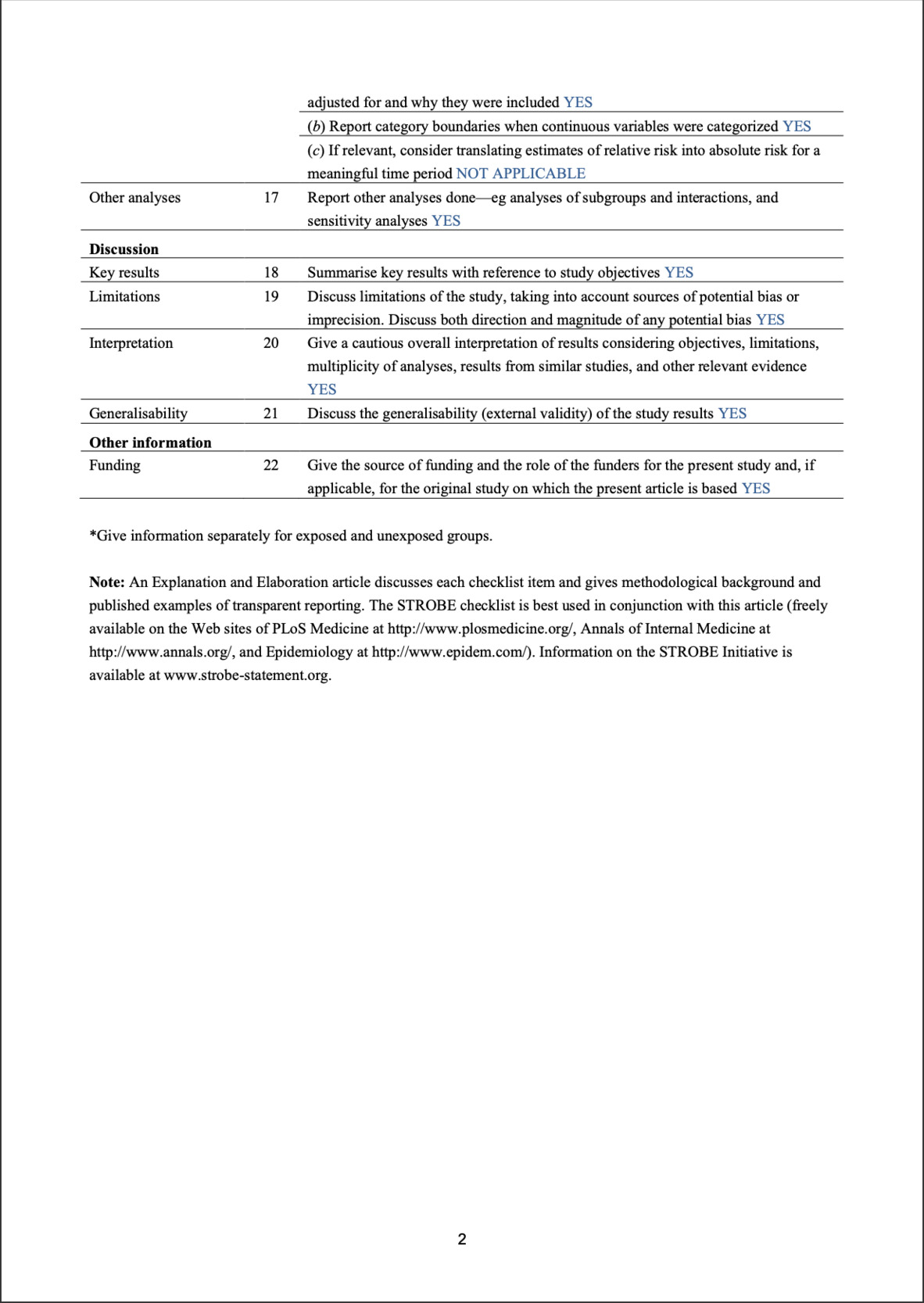
This study used an exploratory cross-sectional survey to examine chiropractors’ beliefs about the mechanisms underlying chiropractic care (Appendix 1). Given the paucity of research examining chiropractors’ mechanistic beliefs, a cross-sectional survey design was appropriate as an exploratory approach to characterising current beliefs and identifying patterns of variation across respondents at a single point in time. Data were collected internationally between December 2025 and January 2026 using a self-administered online questionnaire within the chiropractic field. This study was informed by the STROBE guidelines for cross-sectional studies27 (Appendix 2).
Participants and Recruitment
Participants were eligible if they were aged 18 years or over and were registered or licensed chiropractors, chiropractic interns (final-year chiropractic students undertaking supervised clinical training and providing patient care under the supervision of qualified clinical tutors), or chiropractic tutors/educators (qualified chiropractors involved in the academic teaching and/or clinical supervision of chiropractic students). No geographical restrictions were applied to participant eligibility. Those who did not meet these criteria were automatically excluded during survey screening and were unable to access the questionnaire. Recruitment used convenience and snowball sampling through professional networks, university channels, and chiropractic-related online platforms. The survey link was disseminated through social media, professional groups, university communications, and QR code posters, with further sharing encouraged through professional contacts and chiropractic organisations. No formal sample size calculation was performed. The final sample size was determined by the number of eligible responses received during the data collection period.
Sex/gender and race/ethnicity data were not collected, as the study focused primarily on chiropractors’ mechanistic beliefs rather than demographic influences.
Survey Instrument and Data Collection
A bespoke online questionnaire was developed and disseminated using the Joint Information Systems Committee (Jisc) Online Survey platform28 to explore chiropractors’ beliefs across clinical contexts, treatment components, and clinical outcomes, while also collecting relevant professional background information.
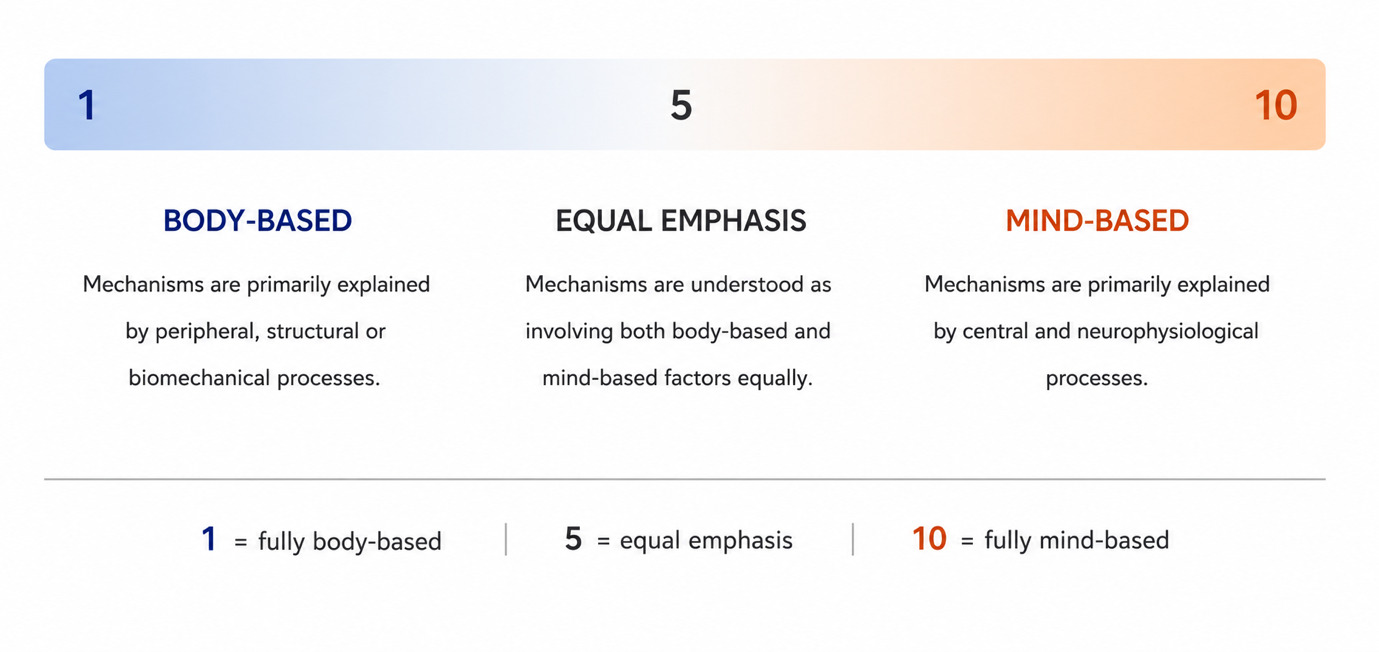
The questionnaire assessed participant characteristics, including professional role, training stage and geographical location. Years of clinical experience was collected for practising chiropractors and tutors/educators; this item was not applicable to chiropractic interns and was therefore not presented to this group. Experience was grouped into broad categories to balance meaningful distinctions in career stage with keeping the questionnaire concise and limiting respondent burden. Its core items examined beliefs about where chiropractic care falls along a continuum from body-based to mind-based explanations.
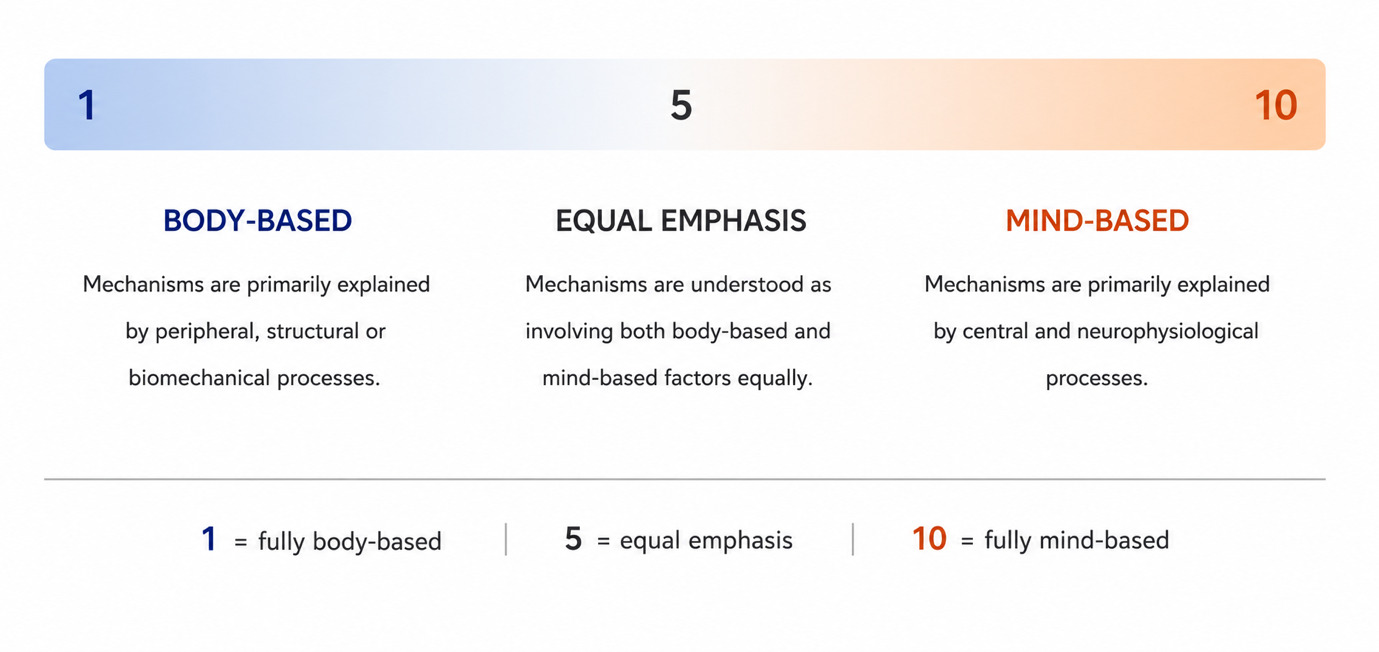
Within this, “body-based” referred primarily to structural, biomechanical, and peripheral physiological processes, whereas “mind-based” referred to centrally mediated neurophysiological, cognitive, contextual, and psychosocial factors. These terms were intentionally simplified to improve accessibility, clarity, and participant engagement in the survey. Responses were rated on a 10-point Likert-type scale from 1 (“fully body-based”) to 10 (“fully mind-based”), with 5 indicating equal emphasis (Figure 1). The scale was designed to allow participants to indicate varying degrees of body- and mind-based beliefs rather than selecting between fixed categories.
Additional items examined how participants explained chiropractic care to patients and their self-reported confidence in understanding the underlying mechanisms.
To minimize potential measurement bias, the questionnaire used standardized wording and response options, with key terms defined to improve consistency in interpretation. Pilot testing (n = 3) was conducted to assess clarity, comprehensibility, and usability, and revisions were made based on feedback prior to dissemination. The anonymous survey format was used to encourage honest responses and reduce potential social desirability bias. The final questionnaire had an estimated completion time of 5–10 minutes.
A copy of the full survey questionnaire is provided in Appendix 1.
Statistical Analysis
Survey data were exported from Jisc Online Surveys28 and analysed in IBM SPSS Statistics version 30.29 Descriptive statistics summarised participant characteristics and response patterns. Frequencies and percentages were calculated for categorical variables, and means, standard deviations, and medians were reported for continuous variables.
Chiropractors’ beliefs were analyzed across multiple domains, including general beliefs, clinical conditions, treatment components, and clinical outcomes. Additional analyses examined explanatory approaches, confidence-related responses, and agreement/disagreement with placebo and contextual statements. Mean and median scores were calculated to assess participants’ overall orientation and the distribution of responses along the body–mind continuum.
Prespecified inferential analyses examined differences in mechanistic beliefs by geographical region, professional role (chiropractors, interns, and tutors/educators), and years in practice (0–8, 9–15, and 16+ years). Years in practice was categorised into 3 groups (0–8, 9–15, and 16+ years) to represent different stages of professional development and to ensure sufficient numbers within each category for meaningful comparisons. One-way ANOVAs were used to compare mean responses across independent groups. Where statistically significant overall group differences were identified, Bonferroni-adjusted post hoc comparisons were conducted to control for Type I error. Statistical significance was set at p < 0.05.
Survey items allowed participants to select “prefer not to answer” where applicable. Missing responses and “prefer not to answer” responses were treated as missing and excluded from analyses involving the relevant variable.
Ethical Considerations
Ethical approval was obtained from the HSU Research Ethics Committee (Approval No. SOC-1025-004). All participants provided electronic informed consent before participating. The study was conducted in accordance with the Declaration of Helsinki.30 Data were collected anonymously, with no personally identifiable information recorded, and stored securely in line with applicable data protection regulations.
Results
Survey Response
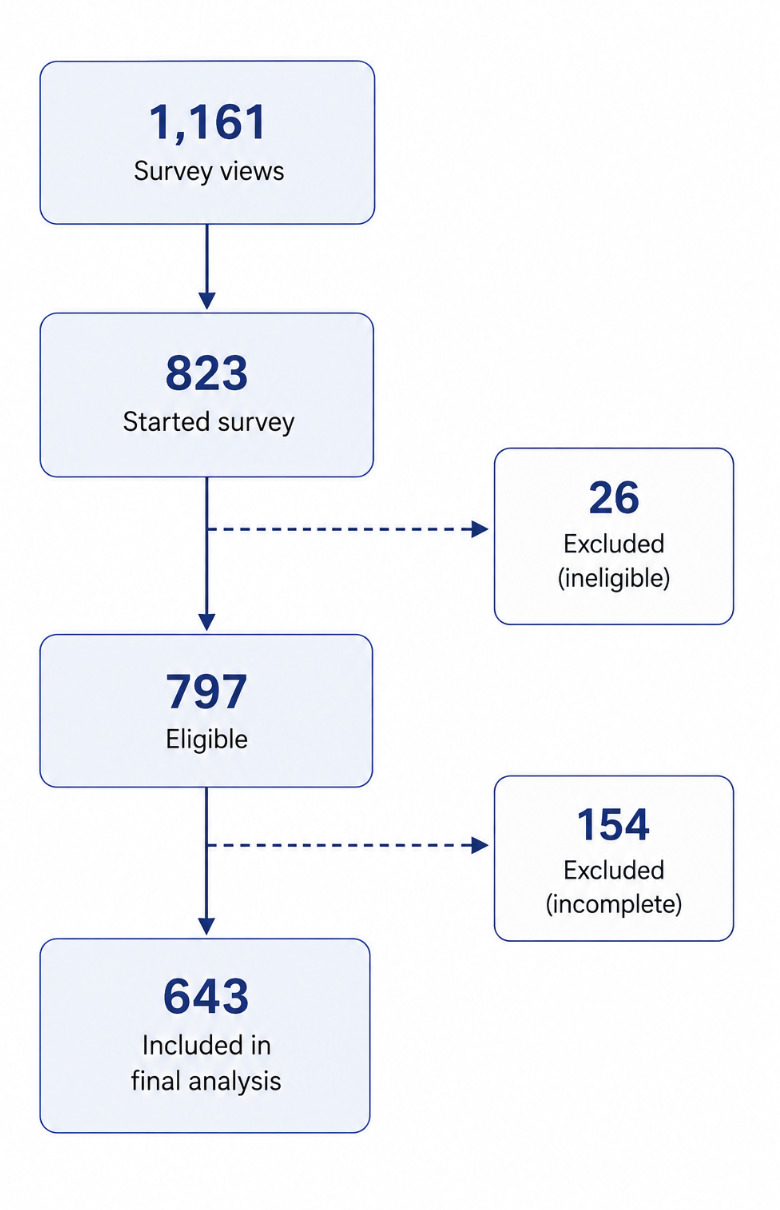
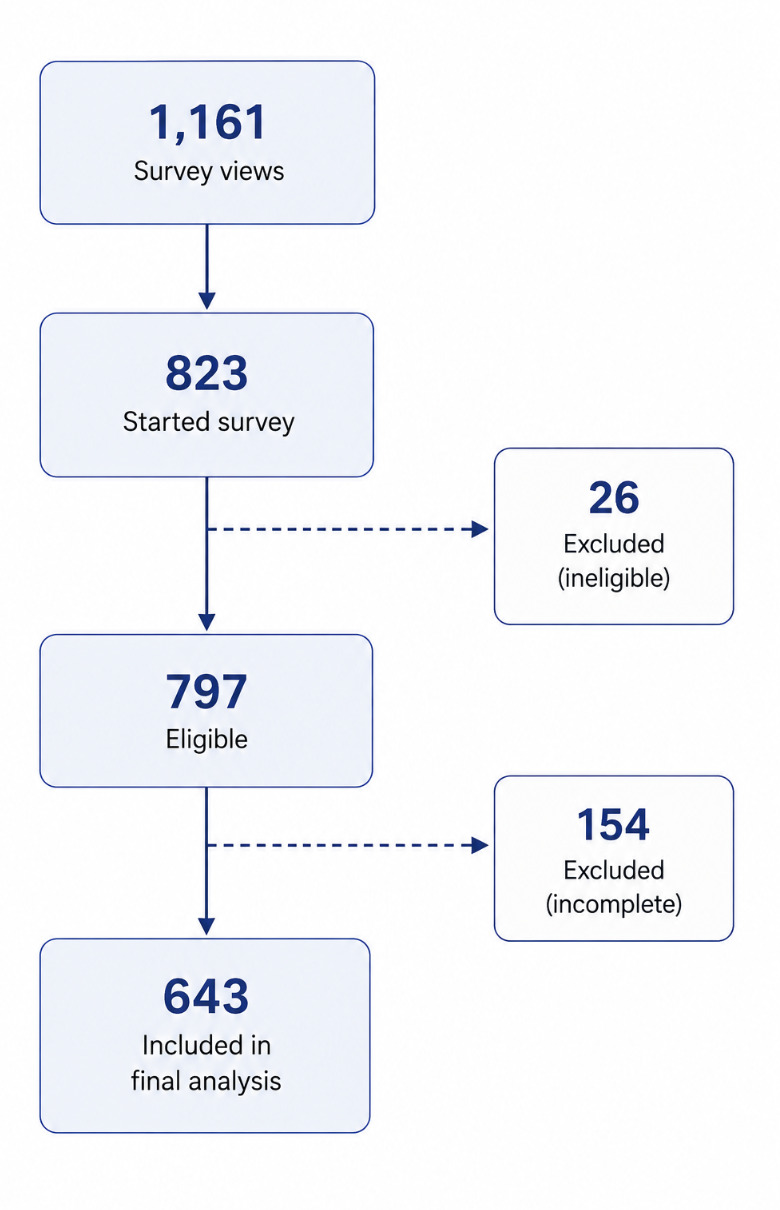
A total of 1,161 survey views were recorded, of which 823 participants started the questionnaire. After eligibility screening, 26 participants were excluded for not meeting the inclusion criteria. Of the remaining eligible participants, 643 completed surveys were included in the final analysis; incomplete surveys were excluded (Figure 2). The completion rate among eligible participants was 81%. The average survey completion time was approximately six minutes.
Participant characteristics
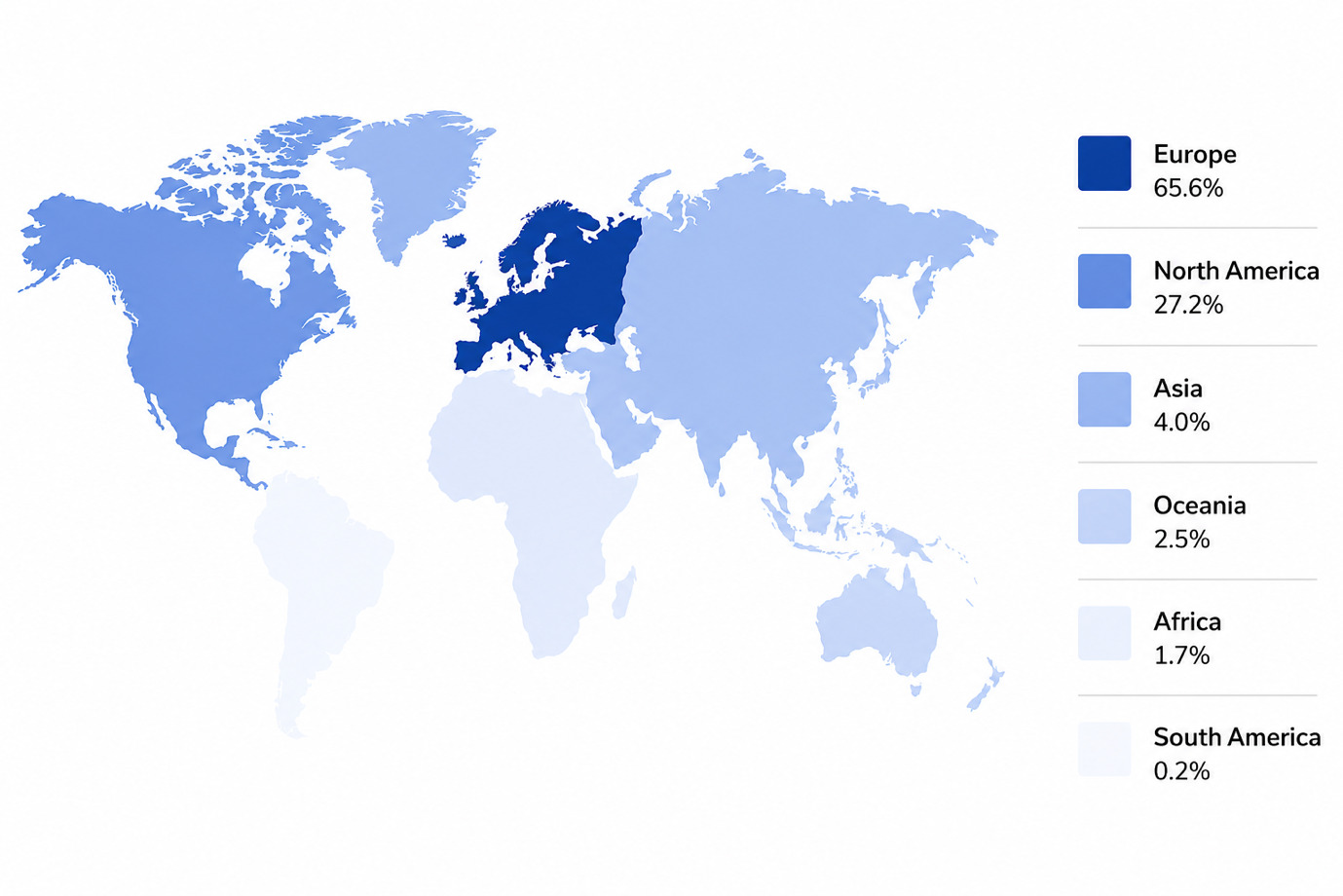
Participants were predominantly practising chiropractors, primarily based in Europe and North America (Table 1, Figure 3).
_(n_643).png)
Beliefs About Mechanisms of Chiropractic Care
Descriptive statistics for beliefs across domains are presented in Table 2.
When asked to position their overall beliefs about whether chiropractic care works through body-based or mind-based processes, responses were centered near the midpoint of the scale (mean = 4.96, SD = 1.87). Similar ratings were reported for beliefs about where improvements in patient symptoms arise along the body–mind continuum (mean = 5.13, SD = 1.88). However, clinical explanations provided to patients were more body-based (mean = 4.32, SD = 2.01).
Ratings for what might underlie perceived improvements in acute MSK conditions leaned more towards body-based explanations, whereas those for chronic MSK conditions and persistent widespread pain skewed more towards the mind-based end of the scale. Ratings for headache/migraine and neurological/vestibular conditions remained closer to the midpoint of the scale.
Most hands-on treatment components, including spinal manipulation, mobilization, soft tissue therapies, dry needling, and exercise/rehabilitation, were considered to work more through body-based mechanisms. In contrast and not surprisingly, pain education leaned more towards mind-based explanations (mean = 7.74, SD = 1.97).
Improvements in mood and psychological well-being were more commonly associated with mind-based explanations, whereas improvements in mobility and function, balance and coordination leaned toward body-based explanations. Ratings regarding headache frequency remained near the midpoint of the scale.
Perceptions and beliefs concerning contextual and placebo items were rated on a separate 10-point agreement scale (1 = strongly disagree, 10 = strongly agree). Participants reported high agreement that contextual factors meaningfully contributed to chiropractic outcomes (mean = 8.56, SD = 1.85, median = 9), whereas agreement with placebo effects was lower overall (mean = 6.55, SD = 2.51, median = 7).
Professional Beliefs and Explanatory Approaches
Descriptive statistics for professional orientation, explanatory approaches, and sources of mechanistic understanding are presented in Table 3.
The most commonly selected professional approach was integrative, incorporating both body- and mind-based perspectives depending on patient presentation, whereas primarily body- or mind-based approaches were less commonly selected. Similarly, participants most reported tailoring explanations to each patient, with explanations that incorporated both body- and mind-based perspectives and predominantly body-based explanations also commonly selected. Explanations that focused mainly on mind-based mechanisms were rare (0.3%).
Most participants reported drawing on both research evidence and clinical experience when forming their understanding of chiropractic mechanisms, with relatively few relying primarily on either source alone.
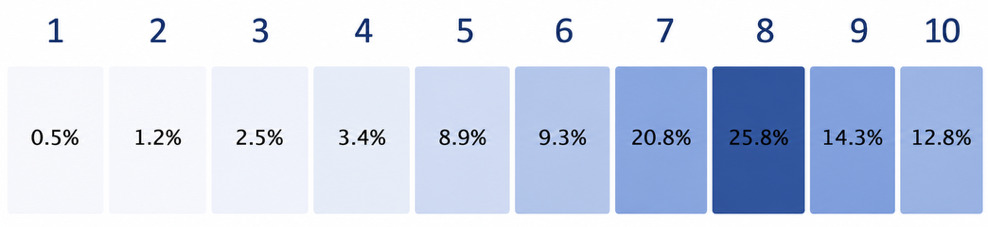
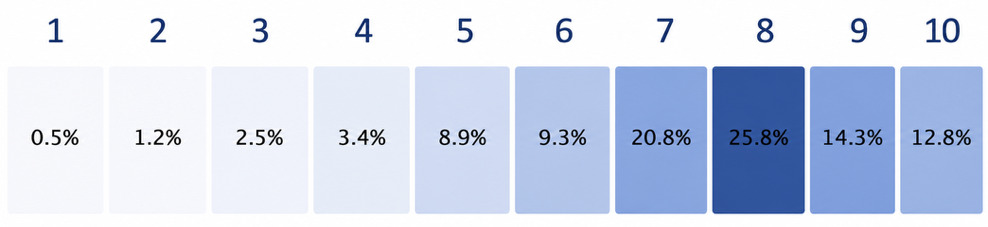
Confidence in understanding the mechanisms underlying chiropractic care (regardless of the mechanism chosen) was generally high, with a mean confidence score of 7.37 (SD = 1.87, Median = 8) on a 10-point scale ranging from not at all confident to extremely confident (Figure 4).
Geographic differences
Participants’ beliefs differed across regions in several areas (Table 4). Chiropractors from Asia and North America expressed greater confidence in their beliefs concerning the mechanisms underlying chiropractic care than those from Europe. Differences were also observed in the explanatory models used in clinical practice, with participants from Oceania reporting a greater tendency towards mind-based explanations when communicating with patients compared with respondents from North America. In addition, European participants reported beliefs about improvements in acute MSK conditions that were comparatively more mind-oriented than those reported by North American practitioners.
Professional Role Differences
Compared with practicing chiropractors, interns and tutors/educators showed a tendency towards more mind-based mechanistic orientation across several domains (Table 5).
For example, interns were more likely than chiropractors to report that rehabilitation works primarily through mind-based mechanisms, with similar differences in orientation observed for dry needling.
Confidence in perceived beliefs concerning mechanisms underlying chiropractic care also varied by professional role, with practising chiropractors reporting higher confidence scores on the 10-point confidence scale than chiropractic interns.
Professional Experience Differences
Analyses based on years in practice excluded interns and were conducted across three experience categories: 0–8 years, 9–15 years, and 16+ years. Participants with fewer years in practice generally reported ratings that leaned towards a mind-based orientation across several domains, compared with those who had been in practice for longer (Table 6).
Participants with 0–8 years of experience reported stronger agreement that contextual factors contribute to chiropractic outcomes than those with 16+ years of experience. Earlier-career practitioners were more likely to report that improvements in chronic MSK conditions and the effects of pain education work more through mind-based mechanisms.
Confidence in understanding their beliefs concerning mechanisms underlying chiropractic care also differed across experience groups, with participants in the 16+ years category reporting higher confidence scores than those with 0–8 years of experience.
For categorical data comparisons, i.e., professional orientation, explanations to patients and forming understanding versus Geographic differences, Professional Roles and Professional Experience, Chi-square tests found no significant differences.
Discussion
This study found that chiropractors’ beliefs varied across clinical contexts and professional groups, with evidence of both biopsychosocial and traditional biomechanical orientations.
Professional Identity, Selective Integration, and Generational Change
Previous literature has often characterised chiropractic as philosophically fragmented, largely because of longstanding tensions between traditional and evidence-based models.15 The present findings partially support these earlier descriptions, with continued variation found across certain mechanistic domains, notably regarding placebo-related explanations. However, agreement with contextual factors, pain education, and integrative approaches may suggest greater overlap in beliefs than earlier literature has implied. This is consistent with shifts across MSK healthcare, where increasing emphasis has been placed on integrative and biopsychosocial models of care.21,31
Rather than denoting a polarized ideological divide, these findings might suggest that a more nuanced range of mechanistic explanations is coexisting in contemporary chiropractic practice. This corresponds with more recent discussions proposing that chiropractic’s internal debates may be better understood as part of an ongoing process of professional evolution rather than a frozen traditional-versus-evidence-based divide.4,32
Differences across career stages may deliver additional insight into how correspondence with explanatory frameworks continues evolving within the profession. Early-career practitioners generally demonstrated more mind-based and biopsychosocial orientations than more experienced practitioners and may reflect shifts in chiropractic education and professional training, including a greater exposure to contemporary pain science, biopsychosocial models, and evidence-based approaches among more recent cohorts of practitioners.25,31,33 Educational exposures have been previously suggested to influence chiropractic students’ professional identity and clinical orientation33 and may reasonably explain variations in mechanistic beliefs across practitioners.
Nevertheless, differences across levels of clinical experience may reflect accumulated experience. Early-career practitioners might rely more on formal education and current research when developing their beliefs, whereas more experienced practitioners may be more influenced by their experiential knowledge. Given the cross-sectional rather than longitudinal design of this study, it remains unknown whether the detected differences represent a true generational shift.
Domain-Specific Mechanistic Flexibility
Beyond questions of professional identity, beliefs regarding mechanisms seemed to vary significantly depending on the clinical context, with distinct differences observed between acute and chronic presentations and across various treatment components. Acute MSK conditions were more commonly conceptualized through body-based biomechanical mechanisms, whereas chronic MSK conditions and persistent widespread pain were oriented more towards the mind-based side of the scale. This pattern may reflect the growing influence of contemporary pain science, where chronic pain is understood to involve central sensitization, neurophysiological adaptation, and psychosocial complexity rather than only peripheral tissue dysfunction.5,7,34 More broadly, the results may suggest increasing integration of biopsychosocial and neurophysiological frameworks in specific areas of practice, particularly in the management of chronic and complex presentations.35
Although mind-based explanations were more strongly reported in chronic pain and complex clinical contexts, traditional treatment approaches, including spinal manipulation, mobilization, and soft tissue therapies, remained more body-based. This contrast appeared more pronounced for treatment components than for patient outcomes. Whereas manual interventions were rated as more body-based across all domains, broader clinical outcomes and patient improvements were more often rated towards mind-based explanations. This dissonance may suggest that chiropractors increasingly incorporate neurophysiological explanations and biopsychosocial models of care when understanding observed outcomes but continue to associate underlying manual therapies themselves with more localized and structural mechanisms. Contemporary accounts of manual therapeutic approaches, however, may resolve such dissonance, contending that multiple levels, integrated across the body-mind system as a whole, may underlie observed outcomes in managing pain.36,37
Similar patterns have been seen across wider MSK healthcare professions, where clinicians frequently integrate biopsychosocial understandings of pain and patient presentation while continuing to conceptualize physical treatment approaches within more biomedical or structural frameworks.38 This may reflect the longstanding tendency for hands-on interventions to be taught, understood, and communicated through biomechanical frameworks, which may keep shaping professional identity and clinicians’ interpretations of how manual therapy works.39
One possible explanation is that contemporary pain science offers a more established, evidence-informed structure for understanding chronic pain and clinical outcomes, whereas the mechanisms underlying manual therapies remain less clearly defined and more contested in the literature.5,7 As a result, chiropractors may be more inclined to incorporate neurophysiological and biopsychosocial perspectives when conceptualizing symptom improvement than when explaining how manual interventions themselves produce therapeutic effects. Another possibility is that these patterns demonstrate an ongoing historical and professional association between manual therapy and biomechanical models of care in chiropractic practice, despite the increasing emphasis on biopsychosocial models in the literature.
Collectively, these outcomes may suggest that biopsychosocial and neurophysiological frameworks are being integrated more readily into understandings of clinical outcomes and chronic pain than into explanations of how manual therapies themselves produce therapeutic effects. Nevertheless, the persistence of this dissonance may have important implications for chiropractic education, including curriculum content, competency frameworks and the integration of more contemporary explanatory models in professional training.40
Contextual Factors and Placebo
Similar patterns were observed for contextual factors, which participants strongly endorsed as contributors to chiropractic outcomes. Consistent with findings from other MSK healthcare professions, chiropractors appear increasingly to recognize contextual factors, including patient expectations, the therapeutic alliance, and the clinical environment, as clinically meaningful contributors to treatment outcomes.5,7,41,42 In contrast, responses to placebo-related items showed considerably greater variability. This may suggest that chiropractors are more comfortable with the terminology of “contextual factors” than “placebo,” despite mechanistic overlap between the 2 concepts.43,44 Historically, the term “placebo” has often been associated with deception, non-specific effects, or reduced therapeutic legitimacy, which may make some practitioners less comfortable using this terminology to describe a treatment mechanism.45,46
This may be particularly relevant within chiropractic and related manual therapy professions, where longstanding debates about treatment specificity and the mechanisms underlying manual therapy are additionally complicated by the difficulty of determining specific treatment effects from contextual influences in research.5,7 In this context, placebo explanations may occasionally be seen as raising questions about whether chiropractic interventions have effects beyond contextual factors alone.45 In contrast, contextual factors may be viewed as working alongside active treatment effects rather than replacing them, making them easier to incorporate into professional reasoning. Accepting the placebo effect may be perceived by some practitioners as implying reduced treatment specificity or therapeutic legitimacy, which may help explain the greater variability in responses to placebo-related explanations compared to contextual influences.
However, attitudes towards placebo appear to be gradually evolving across healthcare settings, with growing recognition of placebo and contextual mechanisms as meaningful contributors to positive and negative clinical outcomes,47 rather than as solely deceptive or non-specific effects.45,46 The present findings may reflect a similar transitional pattern within chiropractic, in which placebo-related mechanisms, albeit within a contextual effects language, were acknowledged by many participants. This may suggest that although placebo-related concepts are becoming more acceptable in professional reasoning, uncertainty or discomfort surrounding these concepts may persist.
Inconsistency Between Explanatory Beliefs and Patient Communication
Despite ongoing changes in mechanistic views, explanations to patients still predominantly favoured body-based frameworks (mean = 4.32). Although integrative and tailored approaches were commonly reported, exclusively body-based explanations remained notably more common than exclusively mind-based (20% vs 0.3%). This might suggest that biopsychosocial and neurophysiological perspectives are not always directly reflected in patient communication.
One possible explanation is that body-based explanations are more familiar and consistent with both patient expectations and traditional understandings of chiropractic care, making them easier to communicate in routine clinical encounters. This interpretation is consistent with qualitative findings showing that patients tend to understand manual therapy mainly through biomechanical and structural explanations rather than neurophysiological mechanisms.48 As a result, practitioners’ explanations to patients may reflect not only their mechanistic beliefs but also how they adapt their communication to what they believe patients are most likely to understand.25,38,47
These findings may have implications for chiropractic education and professional identity. Although neurophysiological and biopsychosocial frameworks might increasingly inform clinical reasoning, practitioners may receive less support in effectively communicating these perspectives during patient encounters. Consequently, chiropractic may continue to be perceived mainly through a biomechanical perspective, even as these concepts become more incorporated into practitioners’ beliefs.
Limitations
Several limitations should be considered when interpreting this data. Although a large sample was obtained, the use of convenience and snowball sampling may have introduced selection bias and may have overrepresented more engaged or better-connected individuals. As recruitment occurred through professional networks and online platforms, it was not possible to calculate a response rate or determine how representative the sample was of the wider chiropractic profession.
Additionally, the predominance of European practitioners in the sample may limit the generalizability of the findings to the wider global chiropractic profession.
The cross-sectional and self-reported nature of the study limits conclusions about how beliefs may change over time or how closely reported beliefs reflect actual clinical practice. In addition, some professional roles and geographical regions were less represented than others, which may have affected subgroup analyses.
Although anonymous data collection may have reduced response bias, the absence of IP- or cookie-based restrictions meant that duplicate responses could not be completely ruled out. In addition, eligibility screening relied on self-reported information and could not be independently verified, meaning the professional status of participants could not be fully confirmed.
Furthermore, the body–mind continuum employed in this study constitutes a simplified conceptual framework and may not adequately capture the complexity of chiropractors’ beliefs. Although this approach was intended to provide an accessible means of exploring differing perspectives regarding the mechanisms underlying chiropractic care, it may not fully represent the range and nuance of individual practitioners’ beliefs.
Finally, in the absence of a previously validated survey instrument addressing the study’s aim, a novel questionnaire was developed. Although the questionnaire pilot testing was conducted to assess face validity prior to distribution, the instrument was not formally validated, and the small pilot sample may have limited the identification of issues related to clarity, usability, and interpretation.
Future Research
Future research should explore why chiropractors continue to associate traditional hands-on interventions with body-based or biomechanical explanations rather than with neurophysiological or biopsychosocial models. Qualitative or mixed-methods studies may offer deeper insight into how practitioners understand and explain the mechanisms underlying chiropractic care, particularly throughout different clinical contexts and stages of professional experience.
Additional research may also help explain why patient-facing explanations continue to lean towards structural or biomechanical models, even when biopsychosocial perspectives are incorporated into clinical reasoning. This may improve understanding of how chiropractors communicate different mechanistic frameworks in their everyday practice. Longitudinal research may further help determine whether mechanistic beliefs change over time with increasing clinical experience or whether the differences seen across career stages reflect generational changes within the profession. Future research should also consider the influence of chiropractic education, including the institution and educational framework in which practitioners were trained, as this may contribute to differences in professional beliefs and mechanistic perspectives.
Conclusion
This study explored chiropractors’ beliefs about the mechanisms underlying chiropractic care using a body–mind continuum and found considerable variation across clinical domains. Overall, participants tended to position their beliefs near the midpoint of the continuum, suggesting that many chiropractors integrate both body-based and mind-based perspectives when understanding chiropractic care. Hands-on interventions and patient explanations leaned towards biomechanical frameworks, while chronic pain, persistent widespread pain, pain education, and improvements related to mood aligned more with neurophysiological and biopsychosocial perspectives. Practitioners earlier in their careers generally emphasised mind-based mechanisms and contextual factors compared to those with more experience. These outcomes suggest that contemporary chiropractic is less defined by philosophical division and more by the use of multiple explanatory models depending on clinical contexts. Nonetheless, the continued use of body-based explanations in patient communication and manual therapy discussions shows that there are ongoing conflicts between emerging evidence and traditional professional narratives.
Author Contributions
D.N. and H.L. conceived and designed the study. H.L. collected and analysed the data and prepared the initial manuscript draft. All authors critically reviewed the manuscript, contributed to its revision, and approved the final version for submission.
Funding
This research received no external funding.
Conflicts of Interest
The authors declare no conflicts of interest.
Acknowledgements
The authors sincerely thank all participants across the participating countries who generously gave their time to complete the survey. Their contribution to this research is greatly appreciated.